As seen in 
As seen in
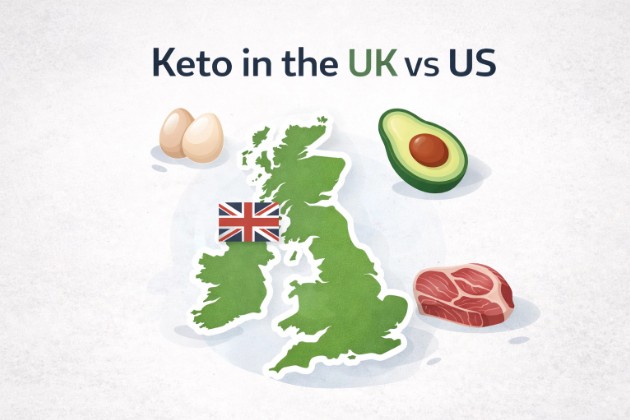
Most of the keto advice you’ll find online comes from the US, and that’s where a lot of the confusion starts. The science of ketosis is the same wherever you live, but food systems and labelling laws are not. So if you’re following US advice while shopping in a UK supermarket, you can easily end up making things harder than they need to be, and in some cases you can push your carbs higher than you realised.
The aim here is simple: clear up the label confusion so you can focus on what actually moves you forward.
When you start a low-carb journey, you suddenly spend a lot of time reading the back of packets. In the US, the law requires manufacturers to list total carbohydrates, and that figure includes fibre. That’s why a lot of American keto advice talks about doing a quick bit of maths before you eat something.
Over there, people take the total carb number and subtract the fibre, and the result is what they call "net carbs". That approach is so common online that it gets repeated as if it’s the one universal rule, and that’s exactly where many people in the UK get tripped up.
If you’re searching for how to calculate net carbs UK food labels, here’s the practical answer you can use in the supermarket: you don’t need to do the US-style subtraction. On a British food label, the number you want is the one listed as "Carbohydrate", and that’s the figure you should track for your day.
Where people go wrong is trying to apply the US method on top of a UK label. If you subtract fibre again, you can end up with a carb count that looks lower than it really is, and that’s when stalls happen and you’re left wondering why you’re "doing everything right" but not getting the results you expected.
In simple terms: in the US it’s common to do "total carbs minus fibre". In the UK, you track the "Carbohydrate" line and keep it simple.
This isn’t about being pedantic with numbers, it’s about having a carb target that matches what you’re actually eating. A lot of people find the US system frustrating because it adds an extra step to every meal, every snack, every drink, and it becomes mentally draining fast.
In the UK we can keep things more straightforward at the supermarket shelf, but we still have to be a bit switched on with anything marketed as "keto". Some companies lean on US-style wording and presentation because it makes a product look lower in carbs than it is at first glance. The easiest way to protect yourself is to look for the UK government-standard nutritional table and use the carbohydrate figure shown there.
That’s also the approach we use at Keto Kitchen Lytham. The meals are planned so you’re not constantly second-guessing labels or doing extra maths when you’re tired and hungry.
Another difference that doesn’t get talked about enough is ingredient quality, especially when it comes to beef. In the US, a lot of beef comes from cattle raised in feedlots, and it’s more common to hear about grain-feeding and growth hormone use in mainstream production.
In the UK, the baseline standard tends to be higher. A lot of British cattle are grass-fed by default and spend most of their lives in pastures, and growth hormones in beef are strictly banned here. That means when you buy beef locally, you’re often getting a genuinely good product without needing it to be dressed up with "clean keto" marketing.
Grass-fed meat is often talked about for its fatty acid profile, including higher Omega-3, and for many people it simply feels like better quality food. It’s one of the reasons keto can feel a bit different in the UK, because we’ve got access to strong produce and proper ingredients if you choose them.
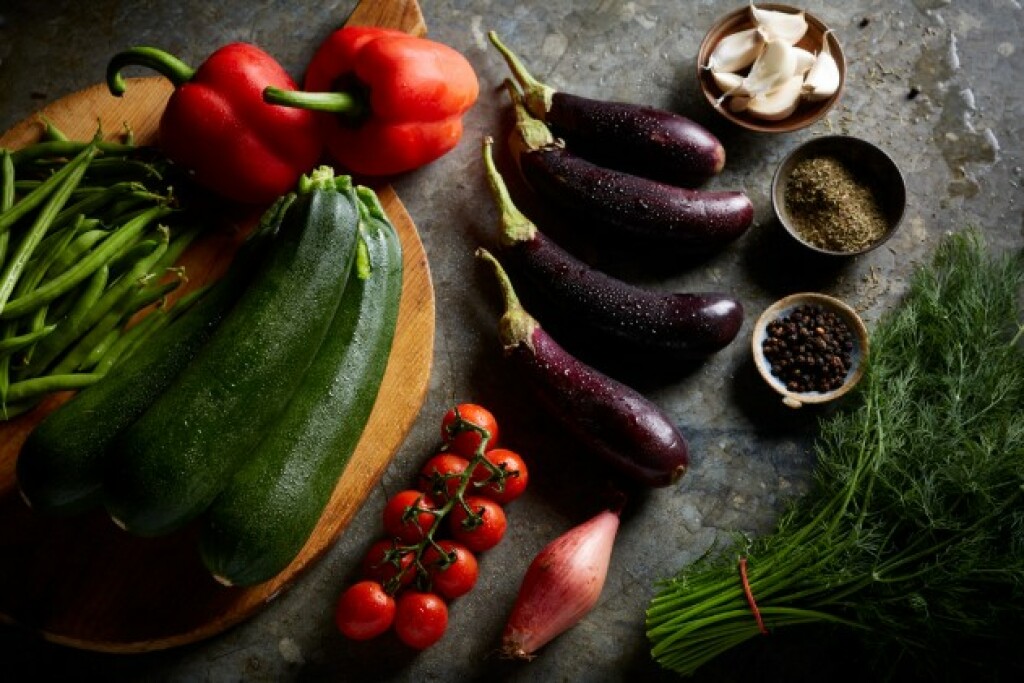
Fats are one of the most confusing parts of keto for people, mostly because we’ve had years of mixed messaging. For a long time we were told saturated fat was the enemy, and the food industry replaced butter and traditional cooking fats with processed seed oils like rapeseed, sunflower, and soybean oil.
Yes, these oils are low in carbohydrates, but they’re also often heavily processed, and in the US they show up in almost everything. Even in the UK you’ll see them all over the place once you start looking, especially in ready meals, sauces, and "healthy" low-fat products.
At Keto Kitchen Lytham, we keep it practical and stick to real fats where we can. That usually means olive oil, butter, and the natural fats that come with good quality meat, and we avoid highly processed seed oils whenever possible. It’s not about being perfect, it’s about choosing food that makes sense and is prepared simply.
If you want the bigger picture on why we back real food over factory options, have a read of Keto Kitchen vs The Giants.
Most people doing keto properly aim for under 20g of carbohydrates per day, and once you know how to calculate net carbs UK food labels (and what that means in practice on a UK packet), it becomes much easier to stay consistent. You can add up the carbohydrate totals from your meals and get on with your day instead of falling down a label rabbit hole.
If you’re struggling to stay on track, it’s often not because you’re eating "obviously carby" foods. It’s usually hidden carbohydrates in sauces, seasonings, and products that have been made low-fat, then packed with sugar to make them taste like something. Keto tends to work better when you do the opposite: keep the fat, lose the sugar, and let proper meals keep you full and steady.
If you want to dig into how this can play out over time, you can also check our write-up on the latest research on keto diet benefits.
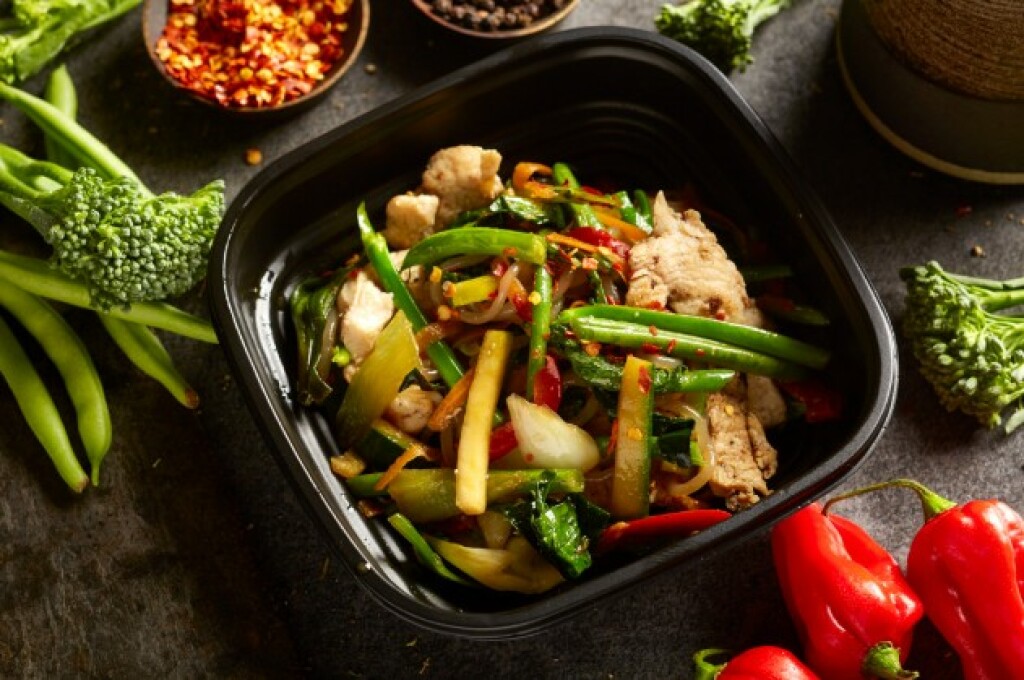
The UK market for keto snacks is growing fast, which is handy, but it also comes with a few traps. You’ll see bars and treats claiming to have "zero net carbs", and on paper that can sound like a free pass, especially when you’re busy or you’ve got a sweet tooth.
The issue is that a lot of these products rely on sugar alcohols or polyols. They’re not the same as sugar, but some people still notice a blood sugar response, cravings, or a bit of a wobble in appetite after having them. On UK labels, polyols are usually listed under the carbohydrate heading, and some people choose to subtract them to estimate "impact carbs", but it’s worth being cautious and seeing how you personally respond.
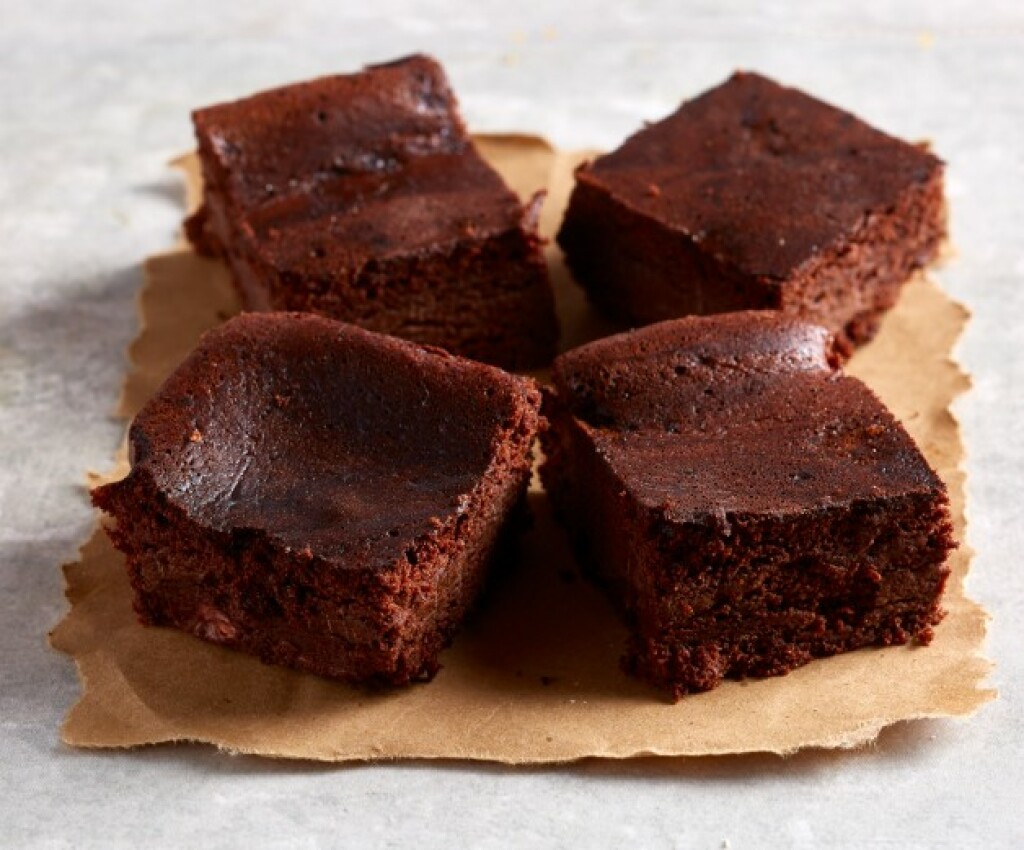
Most of the time, real food like eggs, meat, and leafy greens is the boring answer that actually works. And if you do want a treat, it’s usually better when it’s freshly prepared with quality ingredients, so you know what you’re having and you’re not relying on ultra-processed shortcuts. Our keto chocolate brownies are a good example of doing treats in a way that still fits the day.
We started Keto Kitchen Lytham because we were frustrated with what was out there. A lot of meal delivery services are mass-produced food in a fancy box, and once you start checking ingredients you’ll often find cheap oils and fillers that don’t really fit what most people want from low-carb eating.
We wanted to build something more practical for real life. Our meals are freshly cooked and ready-to-eat, made with the kind of UK produce we’ve talked about in this post, and we focus on keeping things simple: no seed oils where we can avoid them, no hidden sugars, and portions that make it easier to stay within your daily carb limit without having to micromanage your week.
Whether you’re craving something like a keto-friendly pizza or you just want a proper traditional meal that still fits your plan, the goal is the same. We take away the guesswork so you can just eat, track, and move on.
The goal of keto isn’t to spend your life staring at labels and doing maths. It’s to feel better, have steadier energy, and make food choices that actually work for you long-term. Once you understand the difference between US and UK labelling, it’s easier to stop overthinking and start being consistent.
So keep it straightforward. Use the carbohydrate count on the UK label, choose high-quality ingredients where you can (especially grass-fed British beef), and be picky about processed oils because they sneak into more foods than most people realise. Then build your meals around real food that keeps you satisfied.
If you’re busy and you want someone else to handle the cooking side, that’s where we can help. We deliver across the UK, bringing fresh, low-carb meals straight to your door, and you can learn more about how it all started on our About Us page.

To keep things as simple as possible, remember these points:
Keto doesn’t have to be complicated. It’s often just about making a few better choices, then repeating them consistently. If you want to start without the stress of meal prep, take a look at our current menu. We handle the carbs, so you can handle your day.