As seen in 
As seen in
For decades, we have been told to fear cholesterol. It has been painted as the ultimate villain of heart health. Many people still associate it with clogged arteries and a higher risk of cardiovascular issues. You might have felt a sense of dread when looking at your latest blood test results.
Modern research is now painting a much more nuanced picture. It turns out that cholesterol is not the enemy we once thought it was. In fact, it is an essential part of your biology. When you pair this understanding with a well-planned ketogenic diet, you start to see how fat and cholesterol can actually support a healthier lifestyle.
At Keto Kitchen Lytham, we focus on the practical reality of healthy living. We know that changing your diet can feel overwhelming, especially when it involves eating more of the things you were told to avoid.
Cholesterol is a waxy, fat-like substance found in every single cell of your body. Your liver actually produces the majority of the cholesterol your body needs. If you eat less of it, your liver simply makes more to compensate. This shows just how vital it is for your survival.
It plays several critical roles. It helps produce hormones like oestrogen and testosterone. It is essential for making Vitamin D when your skin is exposed to sunlight. It also helps create bile acids, which you need to digest the very fats you eat on a keto diet.
Without enough cholesterol, your body would struggle to function. Your brain contains a huge amount of it, using it to help nerve cells communicate with each other. It is a building block for life, not a poison.
Most people are familiar with two terms: LDL and HDL. You have likely heard LDL described as "bad" and HDL as "good". This classification is far too simple for the complex way our bodies work.
LDL stands for low-density lipoprotein. Its job is to carry cholesterol from the liver to the cells that need it for repair and hormone production. It acts like a delivery truck. HDL, or high-density lipoprotein, acts like a recycling truck. it picks up excess cholesterol and takes it back to the liver.
What matters more than the total number is the quality of these particles. We need to look at the size and density of the particles, as well as overall levels of inflammation in the body. Simply having "high" total cholesterol doesn't tell the whole story.
The ketogenic diet is high in healthy fats, moderate in protein, and low in carbohydrates. This way of eating encourages your body to burn fat for fuel instead of sugar. This state is called ketosis.
Many people worry that eating more fat will lead to heart issues. However, research often shows that living low carb influences cholesterol markers in several beneficial ways.

One of the most consistent findings in keto research is a rise in HDL levels. High HDL is strongly linked to better heart health. It helps keep your arteries clear by efficiently transporting cholesterol back to the liver for processing. When you see your HDL go up, it is generally a sign that your body is managing fats more effectively.
Triglycerides are a type of fat found in your blood. High levels are a major red flag for metabolic health and heart disease. Interestingly, triglycerides are mostly driven by the intake of sugar and refined carbohydrates, not dietary fat.
By drastically reducing your carb intake, you often see a dramatic drop in triglyceride levels. This is one of the most positive changes you can see on a blood test. It shows that your body is becoming more efficient at using fat for energy.
This is where the science gets really interesting. Not all LDL is created equal. There are two main types of LDL particles:
A ketogenic diet often shifts your LDL profile from the small, dense type to the large, fluffy type. Even if your total LDL number goes up slightly, the quality of that LDL often becomes much safer. It is like replacing small, sharp pebbles with large, soft cotton balls.
High insulin levels can be very damaging to your arteries. When you eat a diet high in sugar and processed carbs, your insulin stays high, which can lead to inflammation.
By following a keto meal delivery plan, you keep your blood sugar stable. Lower insulin levels lead to less inflammation throughout the body. This creates a much healthier environment for your heart and your blood vessels.
Cholesterol should never be viewed in isolation. A single number on a lab report cannot tell you everything about your health. We need to look at the bigger picture of your metabolic health.
When you follow a well-formulated keto diet, you are likely to see improvements across the board. This includes lower levels of systemic inflammation and a reduction in abdominal fat. Many people also report having much better energy levels and mental clarity.
These changes contribute to a healthier overall profile. Even if your traditional cholesterol markers look different than they used to, your actual risk factors for disease may be much lower.
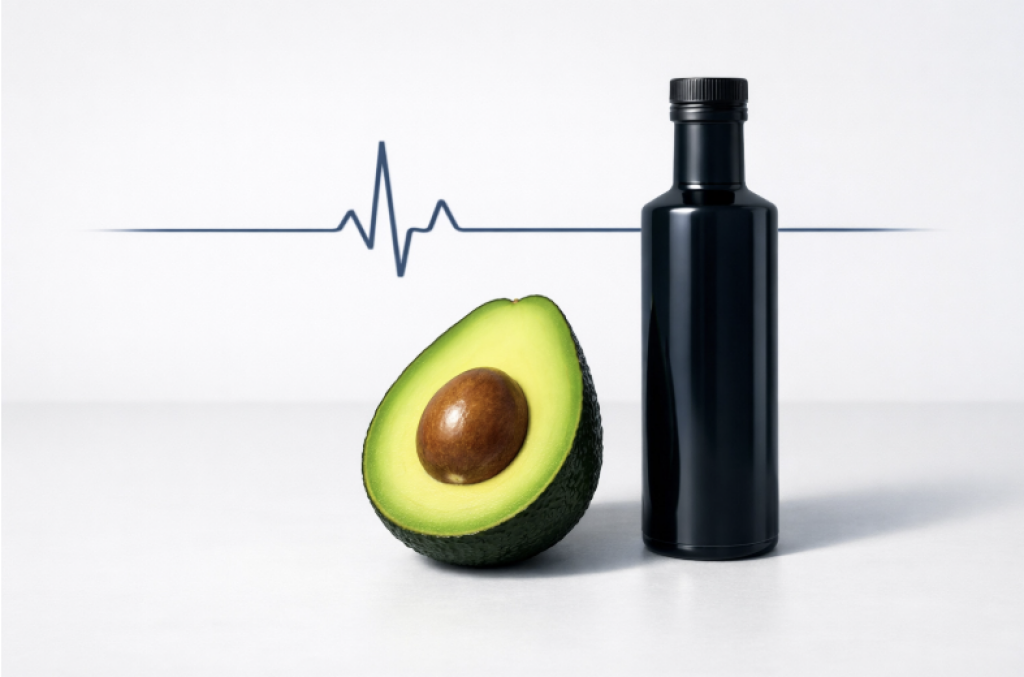
A successful keto approach is not about eating any fat you can find. To support your heart health and keep your cholesterol in check, you need to focus on quality.
We always recommend focusing on whole, real foods. This is the foundation of everything we do at Keto Kitchen Lytham.
You should aim to minimise processed vegetable oils and trans fats. These are often found in fried takeaway foods and cheap processed snacks. These processed oils can lead to the inflammation we want to avoid.

If you find it difficult to source and prepare these high-quality ingredients every day, that is where we can help. Our meal plans are designed to take the guesswork out of keto. We use quality oils and fresh ingredients to ensure you are getting the right kind of fats to support your goals.
We know that life gets in the way of even the best intentions. Many of our customers are women who are looking for a simpler way to manage their weight and health. You might be juggling a career, family, and a busy social life.
Trying to calculate every gram of fat and every carbohydrate can be exhausting. That is why our frozen meal plans are such a popular choice. We freshly prepare our meals in our kitchen and then freeze them immediately to lock in the nutrients and flavour.

When you have a freezer stocked with keto-friendly meals like our moussaka or curry, you are much less likely to reach for a sugary snack or a high-carb takeaway. You get the benefits of a home-cooked meal without the stress of prep and cleanup.
It is time to move beyond the outdated fears of the past. Cholesterol is not a toxin to be purged from your body. It is a vital component of a healthy, functioning human being.
When you understand the context of your health, you can stop fearing the fat on your plate. A ketogenic diet, supported by high-quality ingredients and sensible choices, can be a powerful tool for long-term wellbeing.
You don't have to give up the foods you love. From savoury main courses to our specially crafted keto cakes, you can enjoy a varied and satisfying diet while supporting your metabolic health.
Every individual is unique. It is always a good idea to monitor your health markers and chat with a healthcare professional before making major dietary changes. However, for many people, switching to a low-carb lifestyle offers a positive shift in both weight and long-term health markers.
Empower your health with knowledge rather than fear. Cholesterol is just one part of your story. With the right approach and the right food, you can make it a positive one.
If you are ready to make life a little easier, why not explore our what is keto guide or browse our current menu? We are here to make your journey to health as simple and delicious as possible.
It can change cholesterol markers, but that does not automatically mean it worsens heart health. Many people on a well-formulated keto diet see triglycerides fall, HDL rise, and blood sugar control improve. The full picture matters more than total cholesterol alone.
LDL can go up, down, or stay the same depending on the person. That is why it is important to look at a full lipid panel, triglycerides, HDL, and wider metabolic markers rather than focusing on one number in isolation.
Triglycerides are a useful marker of metabolic health. High triglycerides are often linked with insulin resistance and poor blood sugar control. Many people find that reducing sugar and refined carbohydrates helps lower them.
No. Total cholesterol on its own does not tell the full story. Doctors often look at HDL, LDL, triglycerides, blood pressure, blood sugar, inflammation, family history, and overall metabolic health when assessing risk.
For many people, keto can support better blood sugar control, reduced cravings, improved satiety, and lower triglycerides. Results vary from person to person, so it is best approached as part of a wider health plan.
Yes, especially if you take medication for diabetes, blood pressure, or cholesterol, or if you have an existing medical condition. Dietary changes can affect how your body responds, so medical guidance is important.