As seen in 

As seen in
You’re eating low carb. You’re trying to do keto properly.
But you want a simple yes-or-no sign you’re on track.
That’s where ketone test strips come in.
They’re also called ketone strips or keto strips.
In simple terms: you pee on (or dip) the strip, then match the colour. It shows ketones in your urine.
This guide keeps it simple.
You’ll learn how to use keto strips properly, what the colours mean, and how to use them for weight loss without overthinking it.
If you need a fresh tube, here are our Ketone Strips.
If you want keto meals done for you, see our Meal Plans. If you want gluten-free treats as well, we’ve got you.
Ketone strips work best when you first start keto.
During the first 1-3 weeks, your body hasn't adapted yet. It's producing ketones but not using them efficiently. The excess gets flushed out in your urine: which is exactly what the strips detect.
This makes them very reliable early on.
But here's what happens after a few weeks: your body gets better at using ketones. It becomes "fat-adapted." Instead of wasting ketones through urine, it burns them for energy. So even though you're deeply in ketosis, the strips show lighter readings or even negative results.
This doesn't mean you've fallen out of ketosis. It means your body is doing its job more efficiently.
Use strips during your first month to confirm you're on the right track. After that, test occasionally: maybe once a week: just to check in. Don't test daily or you'll drive yourself mad chasing numbers that don't tell the full story.
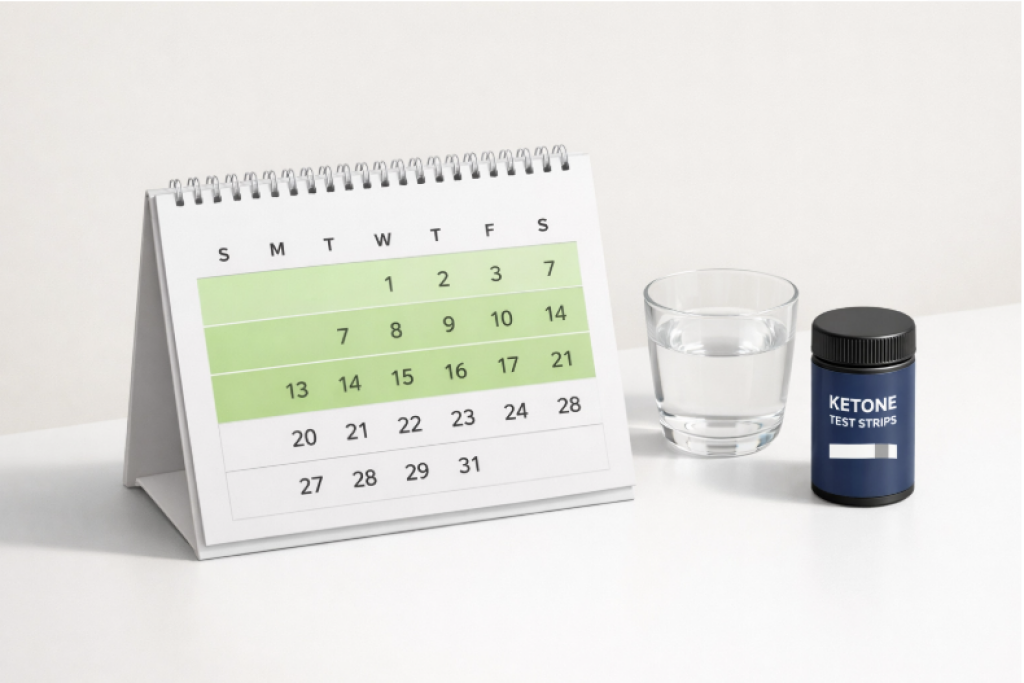
Your hydration level directly affects ketone concentration in urine.
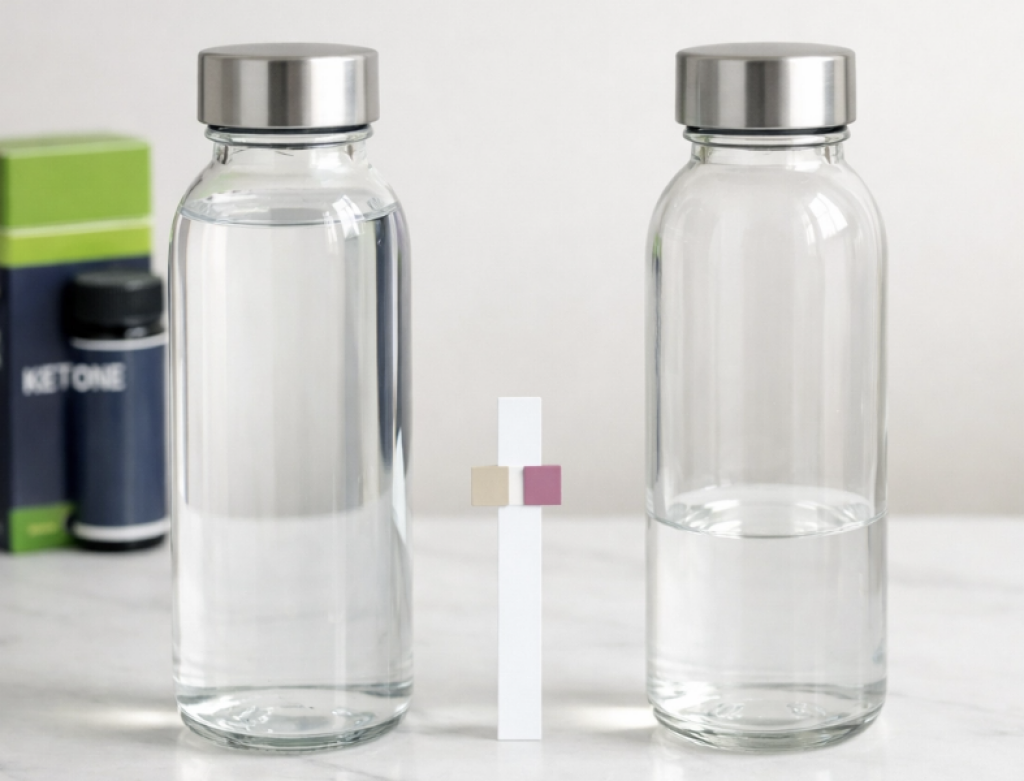
Drink a lot of water before testing? Your urine will be diluted. The strip might show a faint color or even negative: even if you're in ketosis.
Dehydrated? The opposite happens. Ketones look super concentrated. The strip turns dark purple. You think you're smashing it. But really, you just need to drink more water.
Here's the fix: test at a consistent hydration level.
First thing in the morning works well for most people. Your urine is naturally more concentrated then, which gives a clearer reading. Just make sure you're testing around the same time each day and drinking roughly the same amount of water leading up to it.
Don't chug water right before testing to "flush" your system. Don't avoid water to get a darker reading. Just stay consistent.
This sounds obvious. But people mess it up constantly.
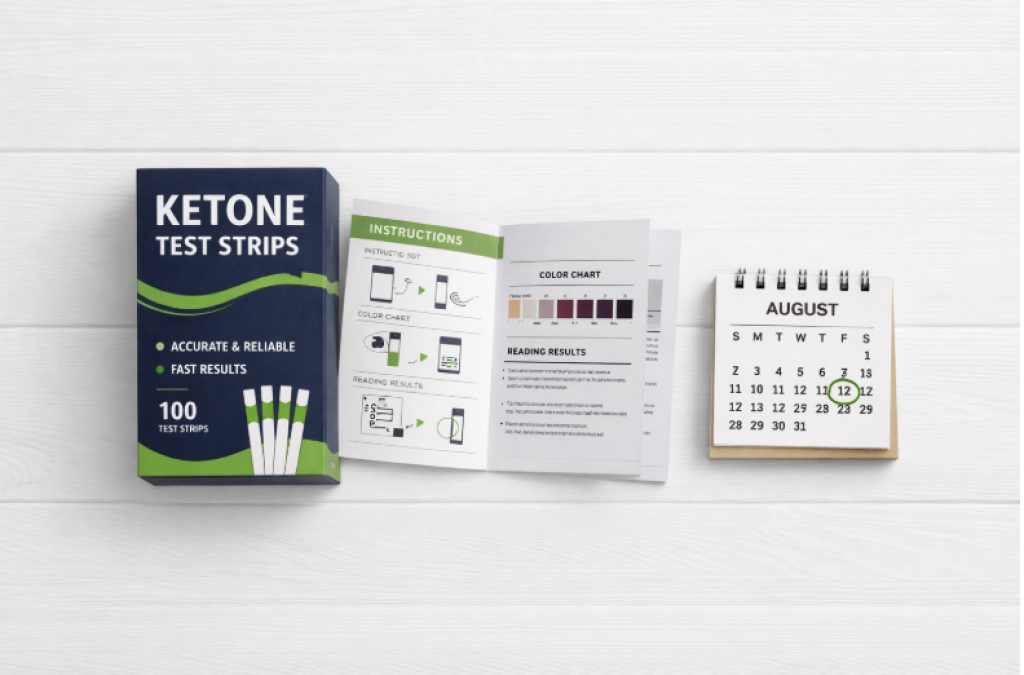
Every brand of ketone strips has slightly different instructions. Some want you to dip for 1 second. Others say 3 seconds. Some tell you to shake off excess urine. Others don't.
Read the packet. Follow the steps.
Also: check the expiration date before you use them. Expired strips give inaccurate readings. If you bought them months ago and left them in a bathroom cabinet (where it's humid), they might have degraded even before the printed date.
Store them in a cool, dry place. Keep the lid tightly closed. Don't touch the test pads with your fingers.
These small details matter more than you'd think.
You can grab reliable ketone strips here if you need a fresh batch.
Many people think darker = better.
They see a deep purple strip and assume they're winning. They see a light pink and panic.
Here's the reality: you don't need deep ketosis for weight loss.
The optimal range for fat burning and feeling good is 0.5–2.0 mmol/L. That's usually a light to moderate color on the strip. Anything above 3.0 mmol/L doesn't give you extra benefits. In fact, going too deep can lead to nutrient deficiencies and muscle loss over time.
Your goal isn't to max out the strip. It's to stay consistently in the fat-burning zone.
Light pink is fine. Medium pink is fine. Dark purple isn't necessarily better: it might just mean you're dehydrated or your body isn't using ketones efficiently yet.
Stop chasing the darkest color. Focus on how you feel and whether the scale is moving in the right direction.
Ketone strips aren’t perfect.
Ketone strips aren’t perfect.
They change with hydration, sleep, stress, exercise, alcohol, and where you are in your keto journey. Two people can eat the same meals and see different colours.
That’s normal.
Here’s how ketone test strips can help with weight loss in a practical way.
That’s normal.
Here’s how ketone test strips can help with weight loss in a practical way.
Most people don’t gain fat because they “lack willpower”. They gain it because it’s easy to drift.
Using keto strips gives you a quick feedback loop.
When you see a positive reading, many people find they naturally:
It’s not magic.
It’s a simple reminder that your choices are adding up.
The first couple of weeks can feel slow.
The scale might wobble. Your appetite might change. Your energy can dip while you adapt.
A light-to-medium pink strip can be a calm signal that you’re doing the basics right.
That helps you stay consistent long enough to see results.
Use keto strips as a check-in tool.
Not a daily report card.
If you want the simplest route, our Meal Plans keep carbs low and portions controlled without you having to weigh, track, or guess.
Here's the simple process for testing:
1. Collect a urine sample in a clean container (or test directly in the stream if the instructions allow).
2. Dip the strip into the urine for the time specified on the packet: usually 1-3 seconds.
3. Shake off excess urine gently. Don't wipe the test pad.
4. Wait for the time indicated on the instructions: usually 15-40 seconds.
5. Compare the color on the strip to the chart on the bottle or packet.
6. Note the result if you're tracking, but don't overthink it.
That's it. Simple, quick, and painless.
Ketone strips use a color scale that ranges from beige/cream (negative) to dark purple (high ketone levels).
Here's a rough guide:
Remember: the exact numbers vary by brand. Always check the chart that comes with your strips.

There are a few situations where ketone strips don't tell the full story:
After a few weeks on keto. As mentioned, your body becomes efficient at using ketones. Fewer get excreted in urine.
After intense exercise. Your muscles might use up ketones quickly, leaving less in your urine.
If you're eating too much protein. Excess protein can convert to glucose and reduce ketone production slightly.
If you're stressed or sleep-deprived. Cortisol affects ketone levels.
If you've just eaten. Ketone levels naturally fluctuate throughout the day.
Don't let any of these throw you off course. Strips are one tool: not the only measure of success.
Yes, but expect your results to be a bit messy.
Alcohol can:
If you drink, keep it simple:
This is very common.
Most ketone strips need to be read in a specific window, often 15–40 seconds. After that, the pad keeps reacting with air and dries out, so the colour can shift or fade.
Fix:
Often it’s one of these:
Try testing first thing in the morning for a few days. Also check the expiry date.
If you need a fresh tube, our Ketone Strips are an easy reorder.
Most people do well with light-to-medium pink.
Darker doesn’t automatically mean better. It can just mean you’re dehydrated.
A practical approach:
Ketone test strips are most useful when you use them simply.
Test at a consistent time. Stay hydrated. Follow the packet instructions. Don’t chase the darkest colour.
For weight loss, the big win is what the strips help you do day to day - keep carbs tight, keep portions sensible, and stay consistent.
If you want keto to feel easier, our Meal Plans are made fresh to order and delivered to your door. You just reheat and eat.
If you only need the strips, you can grab our Ketone Strips here.